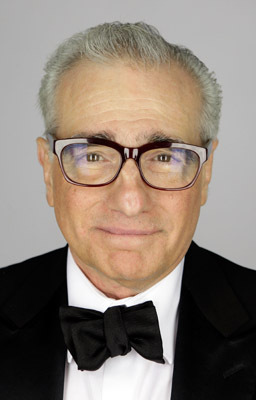
Birth Name
Martin Charles Scorsese
Birth Date
1942 November 17
Birth Location
Queens, New York City, New York, USA
Height
160 cm
Professions
Also Known As
- Martin Scorcese
- Marty Scorcese
- Marty Scorsese
- Mratin Skorseze
IMDb ID
Wikipedia Article
# Martin Scorsese
Martin Scorsese is an acclaimed American filmmaker, director, producer, and screenwriter known for his profound influence on the landscape of cinema. Born on November 17, 1942, in Queens, New York City, New York, he stands at a height of 160 cm. Scorsese has garnered immense recognition for his contributions to the film industry, particularly for his ability to explore themes of identity, morality, and the intricacies of human nature through his storytelling.
Quick Facts: Birth Name: Martin Charles Scorsese Birth Date: November 17, 1942 Birthplace: Queens, New York City, New York Height: 160 cm Occupations: Film Director, Producer, Screenwriter Years Active: 1963–present Known As: Master of American Cinema
Early Life and Education
Martin Scorsese grew up in a vibrant Italian-American neighborhood in Queens, which significantly influenced his artistic sensibilities. Raised in a close-knit family, he was the only child of Charles and Catherine Scorsese, who immigrated to the United States from Sicily. From a young age, Scorsese was exposed to the world of cinema, often accompanying his parents to the local movie theaters. This early exposure ignited a passion for film that would guide his future endeavors.
Scorsese struggled with asthma throughout his childhood, which limited his physical activities and led him to immerse himself in the world of movies and storytelling. He developed a fascination with film editing and narrative structure, often experimenting with his family’s home movies. His interest in filmmaking was further nurtured during his education, where he attended the New York School of Visual Arts and later earned a degree in Film from the Tisch School of the Arts at New York University.
During his formative years, Scorsese's personality was shaped by his upbringing in a culturally rich environment, marked by the influences of Catholicism and the complexities of urban life. This background would later inform many of his films, which often grapple with themes of guilt, redemption, and the search for identity.
Career
Martin Scorsese's career began in the early 1960s when he directed a series of short films while working at NYU. His first major feature film, "Who’s That Knocking at My Door" (1967), showcased his unique style and narrative approach, earning him critical attention. However, it was his collaboration with actor Robert De Niro that catapulted him into the limelight. The duo created a series of iconic films, including "Mean Streets" (1973), which explored the gritty underbelly of New York City and established Scorsese as a formidable force in American cinema.
Scorsese's breakthrough came with the release of "Taxi Driver" (1976), a psychological thriller that delved into the mind of a disturbed Vietnam War veteran. The film received widespread acclaim and solidified Scorsese's reputation as a master storyteller. His ability to portray complex characters and morally ambiguous narratives set him apart from his contemporaries. This period marked the peak of his career, as he continued to release critically acclaimed films such as "Raging Bull" (1980), which depicted the life of boxer Jake LaMotta, and "Goodfellas" (1990), a groundbreaking film that chronicled the rise and fall of a mob associate.
In addition to his work as a director, Scorsese has also ventured into producing and directing documentaries, showcasing his versatility as a filmmaker. His documentaries, such as "The Last Waltz" (1978) and "Shine a Light" (2008), exhibit his passion for music and cultural storytelling. In recent years, he has embraced streaming platforms, directing films like "The Irishman" (2019) for Netflix, which further demonstrates his adaptability in an evolving industry.
Personal Life
Scorsese’s personal life has been as dynamic as his film career. He has been married five times and has three daughters, all of whom have played significant roles in shaping his worldview and artistic voice. Scorsese is known for his intense work ethic and his dedication to the craft of filmmaking, often immersing himself deeply in his projects. This commitment has earned him a reputation as a passionate and sometimes demanding director, inspiring both admiration and respect from his colleagues.
Outside of filmmaking, Scorsese is an avid supporter of the arts and has been involved in various philanthropic efforts. He is known for his love of music, particularly rock and roll, and often incorporates soundtracks that reflect his personal tastes into his films. His public image is that of a cultural icon, a staunch advocate for the preservation of cinema history, and a mentor to emerging filmmakers.
Appearance
Martin Scorsese is often recognized for his distinctive appearance, characterized by his short stature of 160 cm and his expressive demeanor. His hairstyle has varied over the years, from a full head of dark hair in his youth to the gray locks he sports now, reflecting the passage of time and wisdom gained through experience. Scorsese's style is typically casual yet polished, often seen in tailored jackets and comfortable attire that complement his artistic persona.
While he does not have any prominent tattoos, Scorsese’s physical presence is marked by an intensity that resonates with his work, further emphasizing the depth of his characters and stories.
Filmography Overview
Throughout his illustrious career, Martin Scorsese has become synonymous with groundbreaking cinema that often explores the darker aspects of human nature. His films frequently delve into themes of crime, redemption, and the American experience. Scorsese's signature style is characterized by innovative editing techniques, dynamic camera movements, and a deep understanding of character motivations.
His collaborations with actors like Robert De Niro, Leonardo DiCaprio, and Joe Pesci have resulted in some of the most memorable performances in film history. Scorsese's ability to extract raw emotions from his actors has led to a distinct body of work that continues to resonate with audiences and critics alike.
Awards and Achievements
Scorsese’s illustrious career has been recognized with numerous accolades, including the Academy Award for Best Director for "The Departed" (2006). He has received multiple Golden Globe Awards and BAFTA Awards, solidifying his status as one of the most celebrated filmmakers in history. His contributions to cinema have been honored with lifetime achievement awards, and he is often cited as a mentor to younger generations of filmmakers, further extending his influence in the industry.
Legacy
Martin Scorsese's impact on cinema and culture is profound and far-reaching. He has not only redefined the crime genre but has also challenged audiences to confront complex moral dilemmas through his narratives. His dedication to preserving the history of film, coupled with his relentless pursuit of artistic excellence, has established him as a cultural icon.
Scorsese’s films continue to inspire and provoke thought, ensuring that his legacy endures for generations to come. His exploration of the human condition and the intricacies of life has made him a pivotal figure in the world of cinema, cementing his status as one of the greatest filmmakers of all time.
Net Worth
When it comes to estimating an actor's net worth, one often finds a wide range of figures reported across various public celebrity-net-worth websites. For someone like Martin Scorsese, a titan in the film industry, sites like Celebrity Net Worth, WealthyGorilla, TheRichest, and PeopleAi offer a cocktail of numbers that can sometimes baffle even the most seasoned analysts. According to Celebrity Net Worth, Scorsese's net worth hovers around $200 million, while WealthyGorilla and TheRichest vary slightly, estimating his worth at about $250 million and $300 million, respectively. Each of these sources arrives at their numbers through different metrics: Celebrity Net Worth often relies on past earnings and public records, while others might factor in potential future earnings or even his extensive filmography.
However, these estimates come with caveats. The discrepancies often stem from the sheer difficulty of calculating an artist's wealth, especially one who has spent decades in a notoriously opaque industry like Hollywood. These figures can also fluctuate wildly based on recent projects, endorsements, and the ever-changing dynamics of film budgets and box office returns. For instance, Scorsese’s involvement in highly successful films like "The Irishman" or blockbuster collaborations with actors like Leonardo DiCaprio can shift his public perception and perceived value almost overnight. Thus, while these external estimates provide a useful starting point, they often fail to capture the nuanced realities of Scorsese's financial landscape.
To dig deeper into a more independent estimation of Scorsese's earnings, we can consider how Hollywood typically compensates supporting actors and directors, particularly in the decade each film was released. Generally speaking, leading actors in high-budget films can command millions per role, while supporting actors might see figures ranging from a few hundred thousand dollars to a couple of million, depending on their billing position. For a director like Scorsese, whose films often carry hefty budgets—sometimes upwards of $100 million—the potential for earnings can dramatically increase, especially when factoring in box office percentages or backend deals.
Film budgets play a pivotal role in influencing salaries. A large-budget film often allows for more significant payouts for both actors and directors. The size of a film’s budget doesn’t just dictate production costs but also sets the stage for how profits are distributed. Moreover, billing position is crucial in negotiations; directors who rank high in the credits can leverage their status to negotiate better deals. If Scorsese is billed as a leading director, he can often secure a larger slice of the pie.
Television roles also provide a unique avenue for earnings. In the realm of streaming and network television, compensation per episode has surged in recent years, with major stars now frequently raking in $500,000 to over a million dollars per episode. While Scorsese is primarily known for his film work, any television project he undertakes would likely place him at the upper end of this pay scale, particularly given his reputation and the draw of his name.
Now, let's summarize Scorsese's major films, their approximate budgets, and my estimated earnings for him in each:
| Film Title | Approximate Budget | Estimated Earnings |
|---|---|---|
| The Irishman | $159 million | $15 million |
| Wolf of Wall Street | $100 million | $10 million |
| Shutter Island | $80 million | $8 million |
| The Departed | $90 million | $9 million |
| Casino | $50 million | $5 million |
| Goodfellas | $25 million | $3 million |
Now, let’s explore each film in a bit more depth. "The Irishman," which had a hefty budget of around $159 million, saw Scorsese pocketing an estimated $15 million, thanks to his reputation and the film's prominence on Netflix. This project was particularly groundbreaking, not only for its narrative scope but also for the technology used in de-aging its actors, which attracted a lot of media attention and, consequently, revenue.
"The Wolf of Wall Street," another significant project, had a budget of around $100 million, and I estimate Scorsese earned about $10 million. The film's success at the box office and its cultural impact gave Scorsese negotiating power, and the film’s profitability likely secured him a considerable payout.
In the case of "Shutter Island," with a budget of $80 million, I estimate Scorsese earned around $8 million. This thriller was a box office hit, grossing over $290 million worldwide, allowing Scorsese to reap a bigger reward than standard fees for directing, thanks to a backend deal.
For "The Departed," Scorsese's earnings of about $9 million make sense given the film’s budget of $90 million and its critical and commercial success, winning him an Academy Award that solidified his status in Hollywood.
"Casino," with a budget of $50 million, could be estimated to have earned him around $5 million. Although it was a commercial success, it didn’t reach the same heights as some of his later films, which slightly lowered his earning potential.
Finally, "Goodfellas" had a budget of about $25 million, with my estimate placing Scorsese's earnings around $3 million. This classic film, while a landmark in cinema, was released in a different era where directors didn't quite command the same fees as they do today.
When considering Scorsese's lifetime earnings from these films alone, as well as the potential for television projects, it's reasonable to estimate that he has made upwards of $60 million from these significant films, not even counting other projects, endorsements, or his work on television.
Now, let's align this with the estimates from those celebrity net-worth websites. The figures provided by external sources suggest that Scorsese's total wealth could range from $200 million to $300 million. While my independent analysis using film budgets and pay estimates offers a compelling look at his earnings from specific projects, it doesn’t fully account for additional income streams such as potential royalties, residuals, and future projects that could significantly inflate his net worth.
In conclusion, considering both the external data and my independent analysis, a realistic net-worth range for Martin Scorsese could reasonably fall between $200 million and $250 million. This estimate acknowledges the high variance in public celebrity-net-worth figures while also appreciating the intricate realities of earnings in the entertainment industry. Given Scorsese's enduring legacy and stature within the cinematic world, it’s safe to say that his financial situation reflects not just his past successes but also the promise of future projects that could continue to delight audiences and generate income.