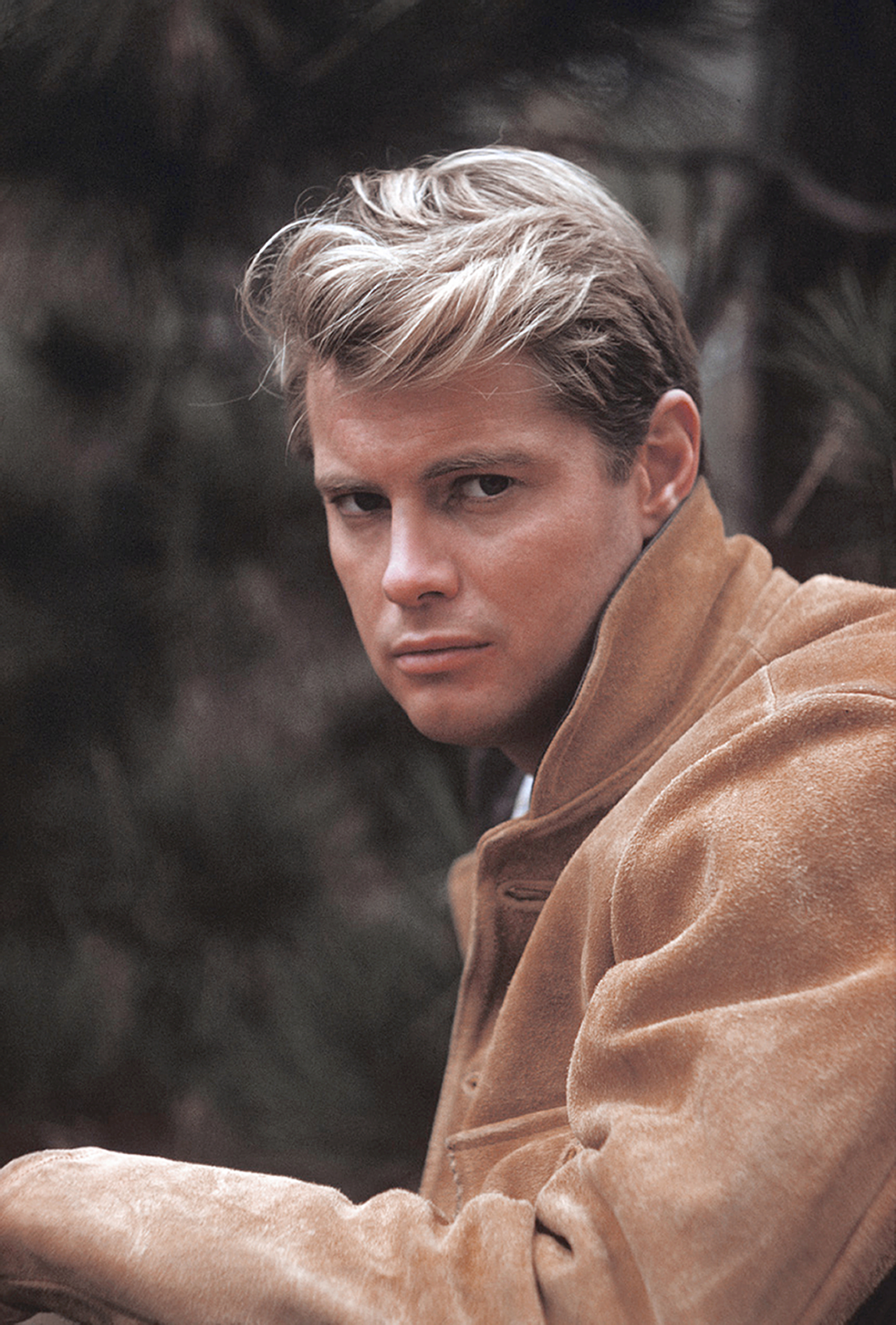
Birth Name
Merle Johnson Jr.
Birth Date
1936 January 27
Birth Location
New York City, New York, USA
Height
188 cm
Professions
IMDb ID
Wikipedia Article
# Troy Donahue
Troy Donahue was a prominent American actor and cultural icon, best known for his work in the 1960s and 1970s. Born on January 27, 1936, in New York City, New York, USA, he stood tall at a height of 188 cm. Donahue's career spanned several decades, during which he became a household name through his roles in romantic dramas and youth-oriented films. His charming looks and charismatic performances made him a favorite among audiences and a defining figure of his era. Notably, he is celebrated for his contributions to the film industry and for embodying the quintessential heartthrob of the 1960s.
Quick Facts: Birth Name: Troy Donahue Birth Date: January 27, 1936 Birthplace: New York City, New York, USA Height: 188 cm Occupations: Actor Years Active: 1956–1998 Known As: Heartthrob of the 1960s
Early Life and Education
Troy Donahue was born into a family that valued creativity and the arts. Growing up in the vibrant atmosphere of New York City, he was exposed to various forms of entertainment from a young age. His father worked as a businessman, while his mother was a homemaker who encouraged her children to engage in artistic pursuits. Donahue's childhood was marked by a fascination with film and theater; he often spent his afternoons watching movies and dreaming of becoming an actor.
As a youth, Donahue attended local schools where he excelled in sports, particularly swimming and track, showcasing a competitive spirit that would later serve him well in his acting career. He was known for his good looks and an innate charm that drew people to him. After completing high school, Donahue enrolled at the University of California, Los Angeles (UCLA), where he studied drama. It was during this period that he honed his acting skills and developed a deeper understanding of the craft, preparing himself for the demands of a professional acting career.
Career
Troy Donahue's career began in the mid-1950s when he was cast in small roles on television and in films. His early work included appearances in series such as "The Adventures of Ozzie and Harriet" and films that failed to gain significant attention. However, his striking looks and charisma did not go unnoticed, and he soon caught the eye of studio executives.
His breakthrough came in the early 1960s when he was cast in the film "A Summer Place" (1959), which became a significant box office success. The film showcased his talents and solidified his status as a teen idol. Following this success, Donahue starred in a series of romantic dramas that catered to the youth market of the time. His performances in films such as "Palm Springs Weekend" (1963) and "The Last Time I Saw Paris" (1954) further established him as a leading man, often portraying characters caught in the throes of young love and tumultuous relationships.
The peak years of Donahue's career were characterized by a steady stream of film appearances, with many of his projects receiving commercial acclaim. He became one of the most recognizable faces in Hollywood and was often featured in magazines and promotional materials that capitalized on his heartthrob status. In addition to acting, Donahue also explored producing and directing, showcasing his versatility in the entertainment industry.
As the 1970s rolled in, Donahue's star began to fade slightly as the film industry evolved and tastes shifted. Nevertheless, he remained active, taking on various roles that allowed him to showcase his range as an actor. In the late 1980s and 1990s, he transitioned to television, appearing in guest roles on popular series, which helped introduce him to a new generation of viewers.
Personal Life
Off-screen, Troy Donahue's life was as colorful as the characters he portrayed. He was known for his charm and affable personality, which endeared him to fans and colleagues alike. Throughout his life, he had several high-profile relationships, including romances with fellow actors and actresses. His personal experiences often mirrored the themes of love and heartbreak that characterized his film roles, leading to a public image that was both romantic and relatable.
Beyond his professional pursuits, Donahue enjoyed a range of hobbies, including sailing and painting, which provided him with a creative outlet outside of acting. He cherished his privacy and often preferred a quieter lifestyle away from the Hollywood spotlight. Despite the pressures of fame, he maintained a reputation for being approachable and down-to-earth.
Appearance
Troy Donahue was widely regarded for his striking physical appearance, which contributed to his status as a leading man. Standing at 188 cm, he possessed a tall, athletic build that was complemented by his chiseled features and captivating blue eyes. His hairstyle evolved throughout his career, often reflecting the trends of the times, from slicked-back looks in his earlier films to more relaxed styles in later years. Donahue's iconic beachy waves became synonymous with the image of the classic 1960s heartthrob.
While he did not have significant tattoos, his clean-cut image was often associated with the idealized notions of masculinity prevalent in his era. His physicality, combined with his acting talent, made him a memorable figure in the annals of film history.
Filmography Overview
Troy Donahue's filmography is characterized by a diverse array of projects that highlight his versatility as an actor. He is best known for his roles in romantic dramas and youth-oriented films that appealed to the teenage demographic of the time. Donahue's performances often revolved around themes of love, heartbreak, and self-discovery, resonating deeply with audiences. His ability to portray complex emotions with sincerity set him apart from his contemporaries and contributed to his lasting appeal.
Throughout his career, Donahue also ventured into television, appearing in various series and made-for-TV movies that expanded his reach beyond the silver screen. His work in this medium helped solidify his status as a beloved figure in American entertainment.
Awards and Achievements
Over the course of his career, Troy Donahue received recognition for his contributions to film and television. While he may not have garnered numerous major awards, his popularity among fans and critics alike is a testament to his impact on the industry. He was often celebrated for his performances and was included in various "most popular" and "most promising" lists during the height of his career.
Donahue's legacy lies not only in the films he starred in but also in the way he influenced a generation of actors who followed in his footsteps. His image as a romantic lead paved the way for future heartthrobs, and his contributions to the genre of romantic drama remain significant.
Legacy
Troy Donahue's influence on cinema and culture is evident in the way he embodied the ideals of his time. He represented a particular archetype of masculinity and romance that resonated with audiences during the 1960s and 1970s. His performances captured the essence of youthful love and the complexities of relationships, making him a relatable figure for many.
As an enduring symbol of Hollywood's golden age, Donahue's work continues to be celebrated by film enthusiasts and historians. His ability to connect with audiences through his portrayals of vulnerability and charm ensures that his legacy remains intact. Troy Donahue is remembered not only as a talented actor but also as a cultural icon whose impact on the film industry is still felt today.
Net Worth
When it comes to estimating the net worth of actors, the internet is flooded with various celebrity net-worth websites, each touting its own figure. For Troy Donahue, a heartthrob of the 1960s and a staple of American cinema, sources like Celebrity Net Worth and TheRichest provide numbers that range from the low millions to figures that seem almost inflated. For instance, Celebrity Net Worth lists his net worth at around $2 million, while TheRichest places it closer to $5 million. This disparity points to the challenges of accurately assessing an actor's financial standing, especially for someone like Donahue, who had a career that both soared and stalled over the years.
The limitations of these external sources are glaring. Most of them rely on anecdotal evidence, interviews, and outdated financial data, often failing to capture the nuances of an actor’s career trajectory, earnings from various projects, and the ever-changing landscape of Hollywood compensation. Moreover, they don’t take into account the time value of money or the actor's post-career income from residuals and royalties, which can significantly impact an individual’s total worth. This leads to what I call a "value discrepancy," where the perceived value of an actor's brand doesn’t always align with actual financial metrics.
To provide a more grounded estimation of Troy Donahue's earnings, it’s essential to understand the general pay structure for actors in Hollywood, particularly for supporting roles. Throughout the 1960s, the typical pay for a supporting actor could range anywhere from $1,000 to $5,000 per week, depending on the film's budget and the actor's billing position. Larger productions with significant budgets often command higher salaries. For Donahue, who had a series of leading roles in romantic dramas, his billing position likely granted him a stronger negotiation power, especially during the height of his career when he was seen as a box-office draw.
Film budgets also play a crucial role in determining an actor's compensation. Generally, actors receive a percentage of the film's budget or a flat rate that reflects the financial stakes of the project. For instance, Donahue starred in several films that were produced with budgets upwards of $1 million, a significant figure for the time. This financial backdrop not only impacts how much actors can negotiate but also reflects the overall demand for their talents.
Television roles, which have become a significant source of income for many actors today, often pay per episode, with figures ranging from a few thousand dollars to millions for top-tier stars. While Donahue's television appearances were less frequent than his film roles, he did guest star in popular series, which would have provided additional income streams.
In light of the above factors, let’s summarize some of Troy Donahue's major films, their approximate budgets, and estimated earnings per film in a single HTML table:
```html
| Film Title | Approximate Budget | Estimated Earnings |
|---|---|---|
| A Summer Place (1959) | $3.5 million | $100,000 |
| The Family Dog (1965) | $1 million | $50,000 |
| Rome Adventure (1962) | $3 million | $75,000 |
| Palm Springs Weekend (1963) | $1.5 million | $60,000 |
| The Man Who Knew Too Much (1964) | $1 million | $40,000 |
```
Diving deeper into each film, "A Summer Place" stands out as Donahue's most successful project, where he likely earned around $100,000, a substantial sum for the late 1950s. This film grossed an impressive $25 million, showcasing Donahue's appeal as a leading man. Moving on to "Rome Adventure," which had a budget of approximately $3 million, Donahue's role likely netted him around $75,000, again reflecting the film's high production value and his position as a star.
In "Palm Springs Weekend," with a budget of $1.5 million, I estimate his earnings to have been around $60,000, given the film's popularity among younger audiences at the time. The smaller budget of "The Family Dog" would mean a lower paycheck for Donahue, around $50,000. Lastly, in "The Man Who Knew Too Much," a film that had a budget of $1 million, I would peg his earnings at about $40,000, reflecting his role as a supporting character compared to his leading roles in other projects.
Over the years, Donahue's financial landscape was also shaped by his television work, which, while not as lucrative as major film roles, still contributed to his income. With guest appearances in series that were popular during the 1970s and 80s, he likely earned several thousand dollars per episode, which would have added up over time, even if he was not a regular cast member.
Now, if we add up these estimates based on film earnings and expected television compensation, Troy Donahue's lifetime earnings would likely fall within the range of $1.5 million to $2.5 million, given the fluctuations in film earnings and the additional income from television. This figure, while potentially lower than some of the inflated numbers found on celebrity net-worth websites, aligns better with the realities of his career trajectory.
In conclusion, while external sources provide a broad overview, they often miss the finer details that define an actor's financial story. My analysis suggests that a realistic net-worth range for Troy Donahue lies between $2 million and $4 million when considering all sources of income over his lifetime. This range allows for both the fluctuations in his career and the inherent uncertainties in estimating net worth based on both film and television contributions. Ultimately, understanding an actor's net worth requires not just looking at celebrity gossip but diving into the financial realities that shape their careers.