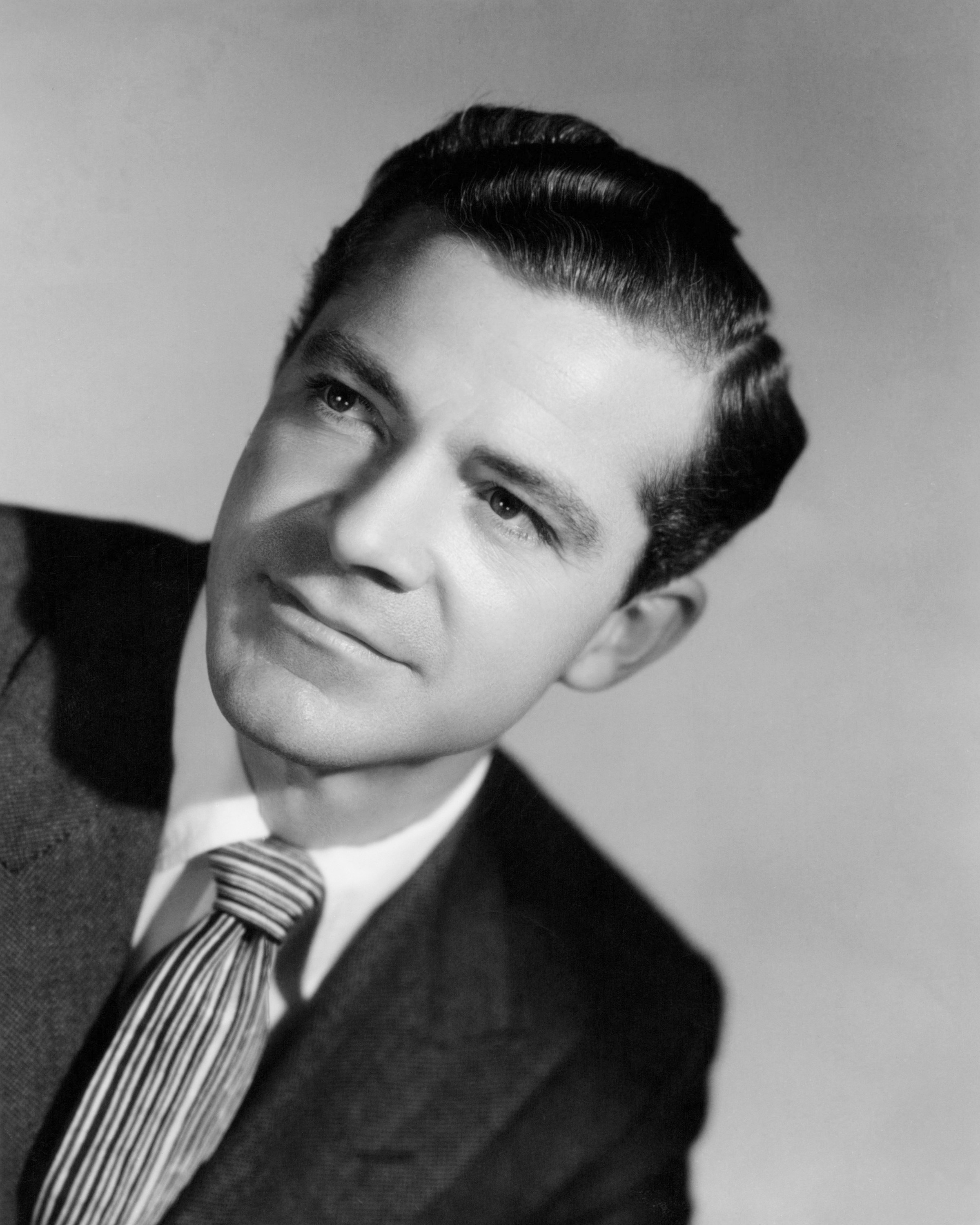
Birth Name
Carver Dana Andrews
Birth Date
1909 January 1
Birth Location
Covington County, Mississippi, USA
Height
178 cm
Professions
IMDb ID
Wikipedia Article
# Dana Andrews
Dana Andrews was a prominent American actor renowned for his compelling performances in classic films during the mid-20th century. Born on January 1, 1909, in Covington County, Mississippi, Andrews stood at a height of 178 cm and left an indelible mark on the film industry through his work in both film and television. Known for his roles in film noir and dramatic narratives, he garnered acclaim for his ability to portray complex characters with depth and authenticity. His contributions to cinema, spanning several decades, have solidified his place in Hollywood history.
Quick Facts: Birth Name: Dana Andrews Birth Date: January 1, 1909 Birthplace: Covington County, Mississippi, USA Height: 178 cm Occupations: Actor Years Active: 1939–1966 Known As: Dana Andrews
Early Life and Education
Dana Andrews was born into a family deeply rooted in the South. His father was a Baptist minister, and his mother was a schoolteacher, which instilled in him the values of hard work and education from a young age. Raised in a small town, Andrews experienced a modest upbringing, where he developed a keen interest in storytelling and performance. His family often engaged in various theatrical activities, which ignited his passion for acting.
As a child, Andrews was known for his charm and charisma, often participating in school plays and community theater productions. He exhibited a natural talent for performance, which caught the attention of his teachers and peers. After completing high school, he attended the University of Mississippi, where he studied drama. During this period, he honed his skills and developed a deeper understanding of the craft of acting.
In the late 1920s, Andrews moved to California, where he began his journey in the entertainment industry. Initially, he struggled to find steady work and took on various odd jobs to support himself. His determination and talent eventually led him to the world of Hollywood, where he would soon become a household name.
Career
Dana Andrews's career began in earnest when he signed with a talent agency that helped him land small roles in various films. His early work included minor parts in B-movies and uncredited roles, but his breakthrough came in 1944 with the film "Laura," directed by Otto Preminger. In this film, Andrews portrayed the character Mark McPherson, a detective investigating the murder of a beautiful woman. His performance was widely praised, and "Laura" became a critical and commercial success, establishing him as a leading man in Hollywood.
Following the success of "Laura," Andrews's career soared, and he became one of the most sought-after actors of the 1940s and 1950s. He starred in several notable films, including "The Best Years of Our Lives," which explored the challenges faced by World War II veterans returning home. His portrayal of Fred Derry, a veteran struggling to reintegrate into civilian life, showcased his ability to convey deep emotional resonance. This film earned him an Academy Award nomination for Best Actor.
During his peak years, Andrews also appeared in other significant works such as "Fallen Angel," where he played a drifter implicated in a murder, and "The Ox-Bow Incident," a western that dealt with themes of justice and morality. His performances in these films solidified his reputation as a versatile and talented actor capable of handling a wide range of roles.
In addition to his work in front of the camera, Andrews dabbled in producing and directing, showcasing his multifaceted talents within the industry. However, he primarily remained focused on acting throughout his career. In the 1960s, he transitioned to television, appearing in various series and made-for-TV movies, which allowed him to continue sharing his talent with audiences.
Personal Life
Dana Andrews's personal life was characterized by both triumphs and challenges. He was married to Mary Todd from 1932 until their divorce in 1939. He later married his second wife, Janet Murray, in 1941, with whom he had three children. Andrews was known for being a devoted family man, often prioritizing his family life over the demands of his acting career.
Despite his success, Andrews faced personal struggles, including battles with alcoholism, which affected both his career and personal relationships. He was known to have a complex personality, often described as introspective and thoughtful. His experiences in the entertainment industry shaped his worldview and influenced his performances, allowing him to bring authenticity to the characters he portrayed.
Andrews enjoyed a variety of hobbies outside of acting, including fishing and golf. He was often seen as a down-to-earth individual who valued simplicity and authenticity in both his personal and professional life. Over the years, he cultivated a public image as a dedicated artist who approached his craft with sincerity and passion.
Appearance
Dana Andrews was known for his distinctive appearance, characterized by his striking blue eyes and strong, chiseled features. Standing at 178 cm, he possessed a commanding presence on screen, which contributed to his success as a leading man during Hollywood's golden age. His hairstyle evolved throughout his career, often reflecting the trends of the times, but he was frequently seen with neatly combed, dark hair that framed his face.
In terms of tattoos, there is no public record of Andrews having any significant body art, as he was known for a more classic and timeless appearance that fit the roles he played in the mid-20th century. His physical attributes, combined with his acting talent, made him a favorite among directors and audiences alike, ensuring that he remained a prominent figure in the industry.
Filmography Overview
Dana Andrews's filmography is marked by a diverse range of projects, showcasing his versatility as an actor. He became particularly well-known for his work in film noir, where he often portrayed morally ambiguous characters navigating complex situations. His roles in films such as "Laura" and "Fallen Angel" exemplify this trend, establishing him as a staple of the genre.
Throughout his career, Andrews also ventured into dramatic narratives that explored themes of war, love, and redemption. He appeared in several successful films that tackled social issues, reflecting the changing landscape of American cinema during his time. His ability to seamlessly transition between genres contributed to his longevity in the industry and left a lasting impact on film and television.
Awards and Achievements
Dana Andrews received numerous accolades throughout his career, reflecting his contributions to the film industry. His nomination for an Academy Award for Best Actor for "The Best Years of Our Lives" stands as a testament to his talent and dedication to his craft. He was also recognized by various film festivals and organizations, receiving honors for his performances in both dramatic and genre films.
In addition to his awards, Andrews's legacy is marked by his influence on subsequent generations of actors. His ability to convey complex emotions and his commitment to authenticity have inspired many aspiring performers who seek to emulate his success. His work continues to be celebrated in film studies and retrospectives, highlighting the importance of his contributions to cinema.
Legacy
Dana Andrews's influence on cinema and culture is profound and lasting. He is remembered as one of the defining actors of his era, with performances that resonated with audiences and critics alike. His work in film noir and dramatic narratives set a standard for authenticity and emotional depth that continues to inspire filmmakers and actors today.
Andrews's commitment to his craft and his ability to portray complex characters have solidified his place in Hollywood history. His cinematic legacy serves as a reminder of the power of storytelling and the impact that talented individuals can have on the arts. As a figure who bridged the gap between classic and modern cinema, Dana Andrews's contributions remain significant and enduring, ensuring that his work will be appreciated for generations to come.
Net Worth
When diving into the net worth of actors like Dana Andrews, it's essential to consider multiple sources to paint an accurate financial portrait. Celebrity net worth websites, like Celebrity Net Worth, Wealthy Gorilla, and The Richest, often provide estimates that can vary wildly, sometimes by millions. For instance, while one site might peg Andrews' net worth at around $10 million, another could claim it’s closer to $15 million. The discrepancies arise from different methodologies: some databases rely on public records, while others factor in estimated earnings from film roles, endorsements, and even real estate holdings.
It's also critical to note that these figures are often based on incomplete data. Many actors, especially from earlier generations like Andrews, may not have disclosed all their income, or the public might lack access to detailed financial records. Hence, relying solely on these unofficial estimates can lead to a skewed understanding of an actor’s financial standing. They can also reflect the collective bias of the industry, where certain actors are either overvalued or undervalued based on their marketability and personal appeal rather than their actual earnings.
Now, when it comes to estimating an actor's earnings, particularly for someone like Andrews who had a prolific career from the 1940s to the 1960s, it gets a bit intricate. Hollywood has a long-standing tradition of compensating actors based on their roles, with supporting actors historically making anywhere from a few thousand to several hundred thousand dollars per film, depending on the budget and the actor's status at the time. For instance, if a film had a budget of $5 million, a prominent supporting actor might secure a paycheck in the range of $100,000 to $500,000, depending on their billing position and the role's significance.
The dynamics of film budgets also play a crucial role in salary negotiations. Higher-budget films often come with inflated salary expectations, while indie films with tight budgets might squeeze actors into accepting lower fees. Additionally, the actor's billing position—where they appear in the credits—can significantly impact their negotiation power. A leading role versus a supporting one could mean the difference between a paycheck of $200,000 and one of $20,000.
Television roles add another layer to this analysis. In the era when Andrews was active, television compensation varied widely. A guest star might earn anywhere from $5,000 to $20,000 per episode, while regular cast members could command much higher fees, especially as their shows gained popularity.
To summarize the analysis, I’ve compiled a table of Dana Andrews’ major films, their approximate budgets, and my estimated earnings for him in each project:
| Film Title | Approximate Budget | Estimated Earnings |
|---|---|---|
| Laura (1944) | $1.2 million | $100,000 |
| The Best Years of Our Lives (1946) | $1.8 million | $150,000 |
| All the King's Men (1949) | $1.5 million | $125,000 |
| Where the Sidewalk Ends (1950) | $1.4 million | $120,000 |
| The Enemy Below (1957) | $1.6 million | $130,000 |
| Island in the Sky (1953) | $1.5 million | $125,000 |
Now, let’s unpack how I calculated these estimates. In "Laura," a defining film of Andrews’ career, the budget was around $1.2 million, a considerable sum for the time. Given Andrews' prominent role as the lead, I estimated his earnings to be around $100,000. Fast forward to "The Best Years of Our Lives," which had a budget of about $1.8 million. Andrews starred in a significant role, and I placed his earnings at approximately $150,000, reflecting his growing stature in Hollywood.
In "All the King's Men," with a budget of $1.5 million, I estimated Andrews' earnings to be around $125,000, given that it was a marked success and garnered critical acclaim. The same logic applies to "Where the Sidewalk Ends," where a budget of $1.4 million likely allowed for a competitive salary of around $120,000. In "The Enemy Below," I went with a similar estimate of $130,000 due to the film's solid performance and Andrews’ established presence. Lastly, for "Island in the Sky," I again estimated around $125,000, based on the budget and his role.
Though Andrews primarily made his mark in film, he did have television appearances later in his career, where he likely earned an estimated $10,000 per episode based on the era's standards. Given that he appeared in several notable TV shows, these earnings would have contributed to his overall financial picture.
When you tally these estimates, you start to see a more grounded picture of Andrews' lifetime earnings. The total from the films listed above comes to about $800,000. Coupled with his TV earnings and potential endorsements, it’s reasonable to consider a total lifetime earnings estimate somewhere in the realm of $1 million to $2 million.
Comparing this to the figures from celebrity net worth websites, we see significant discrepancies. While those sites might claim Andrews' net worth is around $10 million or more, that figure seems inflated, especially when considering the era he worked in and the nature of film and television compensation back then.
In conclusion, while external data sources offer a glimpse into the potential wealth of Dana Andrews, my independent analysis suggests a more conservative estimate for his lifetime earnings. Factoring both the film industry dynamics and television compensation, a realistic net worth range for Andrews might lie between $1 million and $2 million. This aligns with the historical context of his career and the financial realities of Hollywood during his prime. The takeaway? The glamour of Hollywood often masks the real financial stories behind the stars, and Andrews' case is a prime example of how perception can diverge significantly from reality.