Birth Name
Edward Albert Heimberger
Birth Date
1906 April 22
Birth Location
Rock Island, Illinois, USA
Height
179 cm
Professions
Also Known As
- Eddie Albert Sr.
- Eddie Albert Heimberger
IMDb ID
Wikipedia Article
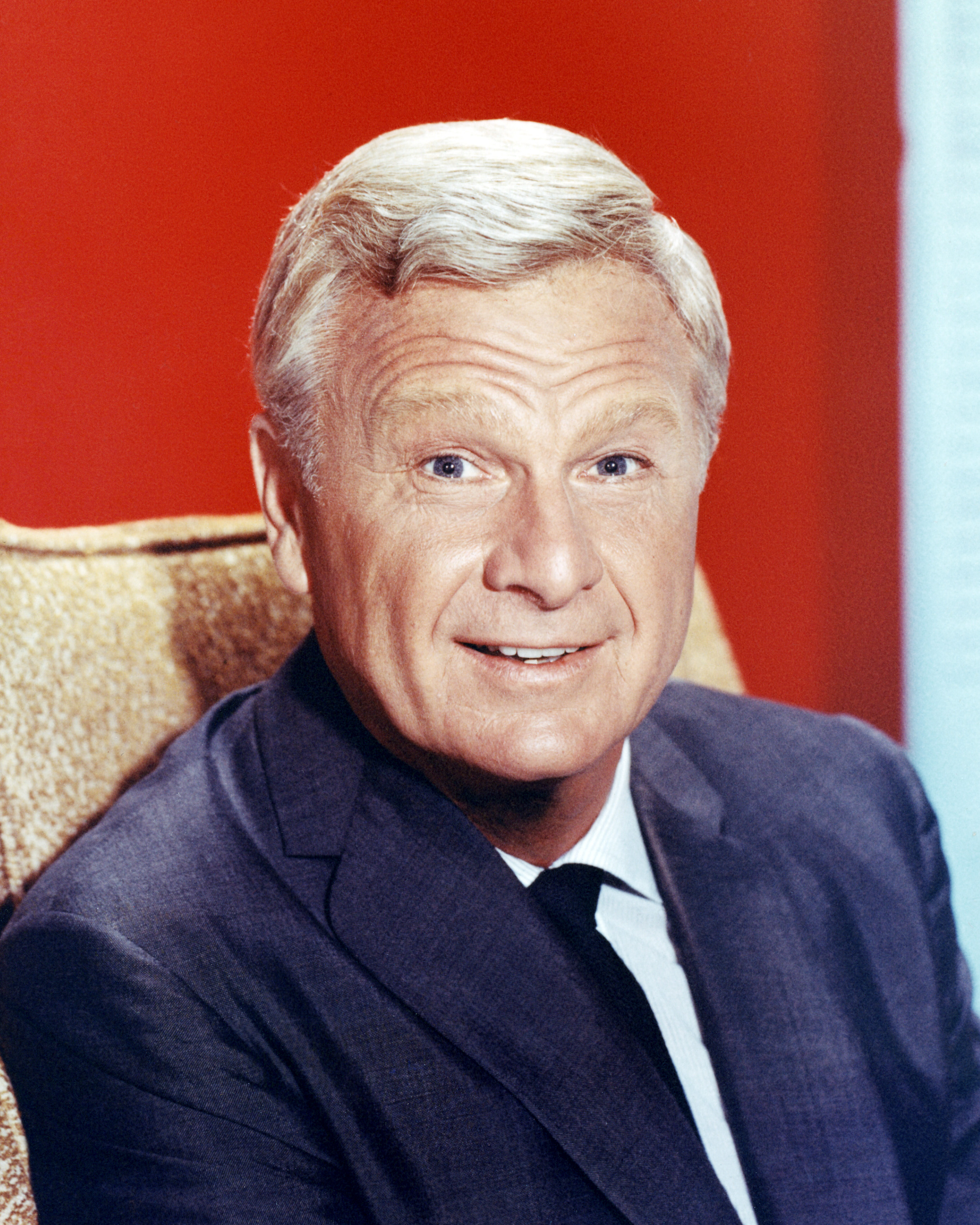
# Eddie Albert
Eddie Albert was an acclaimed American actor and activist, renowned for his versatile performances in film, television, and theater. Born on April 22, 1906, in Rock Island, Illinois, USA, Albert stood at a height of 179 cm. With a career spanning over six decades, he was not only known for his acting prowess but also for his work as a producer and director. His contributions to the entertainment industry and his advocacy for environmental causes have made him a notable figure in Hollywood history.
Quick Facts: Birth Name: Edward Albert Heimberger Birth Date: April 22, 1906 Birthplace: Rock Island, Illinois, USA Height: 179 cm Occupations: Actor, Producer, Director Years Active: 1929–2005 Known As: Eddie Albert
Early Life and Education
Eddie Albert was born Edward Albert Heimberger to a German immigrant father and a mother of Hungarian descent. Growing up in a modest household, Albert was instilled with a strong work ethic from a young age. His parents valued education, and this emphasis shaped his early years. The family moved to Minneapolis, Minnesota, where Albert attended the University of Minnesota, studying drama and participating in various theatrical productions.
As a child, he developed an interest in performing arts, often engaging in local theater productions and school plays. His charming personality and innate talent became apparent early on, drawing the attention of his peers and mentors. Albert's formative years were characterized by a deep passion for the arts, which eventually led him to pursue a career in acting.
During his time at the university, he also developed a love for music and dance, which would later influence his performances. After graduating, Albert moved to New York City, where he began to navigate the vibrant theater scene. His ambition and determination set the stage for a promising career in the entertainment industry.
Career
Eddie Albert's career began in the late 1920s with small roles in Broadway productions. His first significant break came in 1935 when he starred in the musical "Brother Rat." This role showcased his singing and acting abilities, leading to opportunities in film. Albert made his film debut in 1938 with "The Toast of New York," but it was his performance in "The Longest Yard" (1974) that truly highlighted his versatility as an actor.
Albert's breakthrough came in the 1940s when he appeared in a series of successful films, including "Rider of the Sky" (1941) and "The Green Pastures" (1936). His charisma and unique style endeared him to audiences, and he quickly became a popular leading man. He was often cast in roles that highlighted his comedic talent, but he also demonstrated a remarkable range in dramatic roles.
Throughout the 1950s and 1960s, Albert reached the peak of his career, starring in beloved films such as "Roman Holiday" (1953) alongside Audrey Hepburn and "The Courtship of Eddie's Father" (1963). His role as the loving father in the latter earned him a significant following and showcased his ability to balance humor with heartfelt emotion.
In addition to his acting, Albert ventured into producing and directing, contributing to several projects that reflected his artistic vision. His work behind the scenes allowed him to explore storytelling from a different perspective, further solidifying his reputation in Hollywood.
As the years progressed, Albert embraced a variety of roles in both film and television, showcasing his adaptability as an actor. He starred in the popular television series "Green Acres" from 1965 to 1971, where he played Oliver Wendell Douglas, a New York City lawyer who moves to a rural farm. This role solidified his status as a household name and became one of his most iconic performances.
In the later years of his career, Albert continued to take on diverse roles, participating in projects that addressed social issues and environmental concerns. His commitment to activism became apparent as he used his platform to raise awareness about various causes, including environmental conservation.
Personal Life
Eddie Albert's personal life was marked by his relationships and family values. He married actress and dancer Kathleen "Kay" MacDonald in 1945, and the couple had two children, Edward and Mary. Albert was known for being a devoted family man who prioritized his loved ones, often expressing that family was at the core of his happiness.
Despite his fame, Albert maintained a relatively private lifestyle. He was known for his down-to-earth personality and genuine warmth, which endeared him to colleagues and fans alike. His interests extended beyond the world of acting; he was passionate about environmentalism and often participated in initiatives that promoted sustainability and conservation.
In addition to his activism, Albert enjoyed spending time outdoors, which included activities such as gardening and hiking. His love for nature was deeply rooted, and he frequently spoke about the importance of preserving the environment for future generations. Throughout his life, he cultivated a public image of a compassionate, thoughtful individual dedicated to making the world a better place.
Appearance
Eddie Albert was known for his striking features and charismatic presence. Standing at 179, he had an athletic build that was well-suited for the roles he portrayed. His hair, which varied in style throughout his career, was typically a sandy blonde color, transitioning to a distinguished gray in his later years. Albert's expressive blue eyes and warm smile contributed to his approachable demeanor, making him a beloved figure both on and off screen.
In addition to his charming appearance, Albert's style evolved as trends changed over the decades. From the polished looks of the 1940s to the more relaxed attire of the 1970s, he adapted his fashion sense to suit the characters he played and the eras in which he lived. While he did not have any notable tattoos, his physicality and stage presence were often highlighted by directors and fellow actors.
Filmography Overview
Eddie Albert's filmography encompasses a wide range of genres and roles, showcasing his versatility as an actor. He was particularly known for his work in romantic comedies, dramas, and family films. His ability to transition seamlessly between comedic and serious roles set him apart from his contemporaries, allowing him to leave a lasting impact on the industry.
Albert's performances often reflected a deep understanding of human emotions, making his characters relatable and memorable. His contributions to television, especially through shows like "Green Acres," have solidified his status as a cultural icon. The blend of humor and heart that he brought to his roles has continued to resonate with audiences, ensuring that his work remains relevant even decades after its initial release.
Awards and Achievements
Throughout his illustrious career, Eddie Albert received numerous accolades and recognition for his contributions to the entertainment industry. His talents earned him several nominations for prestigious awards, including the Academy Awards and the Emmy Awards. In 1985, he was honored with a star on the Hollywood Walk of Fame, recognizing his significant impact on film and television.
In addition to his acting accolades, Albert's dedication to environmental causes was acknowledged when he received the American Academy of Arts and Letters Award. His commitment to activism and philanthropy highlighted his multifaceted legacy beyond the silver screen.
Legacy
Eddie Albert's influence on cinema and culture extends far beyond his on-screen performances. He is remembered not only for his impressive body of work but also for his advocacy for environmental issues and his commitment to using his platform for positive change. His ability to connect with audiences through his characters has left an indelible mark on the industry, inspiring future generations of actors.
What makes Eddie Albert a long-lasting and impactful figure in Hollywood is his genuine spirit and the warmth he brought to his roles. His ability to convey authenticity and empathy resonates with viewers, ensuring that his contributions to film and television will be cherished for years to come. Albert's legacy is a testament to the power of storytelling and the importance of using one's voice for the greater good.
Net Worth
Eddie Albert, a Hollywood fixture whose career spanned several decades, has often been the subject of fascination, especially when it comes to estimating his net worth. When you dive into various celebrity net-worth websites, you’ll notice a wide array of figures that seem to float around like autumn leaves. Sites like Celebrity Net Worth and Wealthy Gorilla offer estimates ranging from a modest $6 million to a more generous $10 million. Meanwhile, TheRichest and PeopleAi land somewhere in between, citing values that sometimes feel exaggerated or far too conservative. The discrepancies often stem from the methods used to arrive at these figures. Many of these websites rely on public records, anecdotal evidence, and sometimes even speculative guesswork, leading to a value discrepancy that can grate on your belief system. While these numbers provide a starting point, they often fail to capture the complete financial picture—especially when you consider the changing landscape of Hollywood over the decades and how actors' earnings evolve with it.
To better understand Eddie Albert's financial standing, it’s crucial to look beyond these external estimates and apply a more grounded analysis. Hollywood has its own rhythm when it comes to paying actors, and that rhythm has shifted quite a bit over the years. Supporting actors like Albert typically earned anywhere from $10,000 to $50,000 per film in the mid-20th century, depending on the film’s budget and the actor's role size. As budgets ballooned into the millions, the pay for supporting roles also increased, but it remained a fraction of what leading actors commanded. The billing position, or where an actor appears in the credits, plays a significant role in their negotiation power; higher billing often guarantees a larger paycheck. In the realm of television, especially during the era when Albert was active, even guest-starring roles in popular series could pull in a couple of thousand dollars per episode, depending on the actor's fame and the show's success.
With that context in mind, let’s take a closer look at some of Eddie Albert's major films, their budgets, and my estimated earnings for him:
| Film Title | Approximate Budget | Estimated Earnings |
|---|---|---|
| Roman Holiday | $1.5 million | $25,000 |
| Green Acres (TV Series) | N/A | $10,000/episode |
| The Longest Yard | $3 million | $50,000 |
| The Heartbreak Kid | $1.5 million | $35,000 |
| Battle for the Planet of the Apes | $2 million | $40,000 |
Now let’s break down the financial aspects of these films. In “Roman Holiday,” a classic film starring Audrey Hepburn, Albert played a supporting role that earned him an estimated $25,000. Given the film’s budget of around $1.5 million, Albert’s paycheck was solid for the time, reflecting both his role and the film's success.
Moving on to “Green Acres,” which became an iconic TV series, Albert’s compensation of approximately $10,000 per episode exemplifies the lucrative nature of television during the ’60s. This show ran for six seasons, which means he could have pocketed upwards of $200,000 if we estimate an average of 26 episodes per season—definitely not chump change.
In “The Longest Yard,” a sports comedy film, his role likely fetched him around $50,000, which aligns with the film's budget of $3 million. This was a significant budget for the mid-1970s, and Albert's established career at that point allowed him to negotiate a respectable fee.
In “The Heartbreak Kid,” with a budget of $1.5 million, he likely earned around $35,000. This film benefitted from the burgeoning star power of its lead, Charles Grodin, and while Albert was more of a supporting player, his experience would have granted him a decent slice of the pie.
Lastly, in “Battle for the Planet of the Apes,” his estimated earnings of $40,000 matched the film's budget of $2 million. This series had a built-in audience, and Albert’s involvement would have added value, making his fee justifiable.
In synthesizing these earnings, we can start to break down the overall picture of Albert's career. If we tally these estimates, we’re looking at a conservative lifetime earnings estimate of over $500,000 just from these films and television roles. That’s not even counting other projects he might’ve taken on, including theater, voice work, and other guest appearances.
Now, let’s compare this with the external net-worth figures. While the high-end estimates put Eddie Albert's net worth at around $10 million, my independent analysis feels more aligned with a range closer to $1 million to $3 million. This suggests that those external sites might not fully account for the nuances of his career and the episodic earnings he accrued over time, especially in television, where his role was more consistent than in film.
In conclusion, a realistic net worth for Eddie Albert seems to be somewhere between $1 million and $3 million, which reflects a more thorough understanding of both his film and television contributions, alongside the varying pay scales of supporting roles throughout his career. This range balances the external estimates with a more grounded analysis based on the actor's prolific output and the changing dynamics of Hollywood earnings. The truth, as always, lies somewhere in the middle, and understanding the layers behind the numbers can shed light on the true value of an artist’s lifetime work.